
Biological Art and the Value of Life
Last and First MenThis flow traces the Third Men’s reverence for living forms, their artistic manipulation of organisms, and the ethical danger of turning life into material.
increasing Bearing strength in each event
 decreasing
Bearing strength in each eventdecreasingA Species Attuned to Life
Living Forms as a Focus
Perception through care
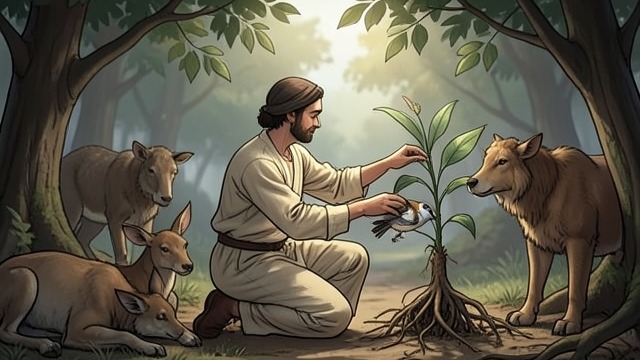
The Third Men display unusual sympathy for animals and plants. Their interest in living behavior shapes hunting, herding, domestication, and social imagination.
A mixed inheritance
The same attention can express tenderness or the desire to control. Their culture’s central gift therefore contains the possibility of cruelty from its beginning.
Pain and Creation
The Problem of Suffering
Competing impulses
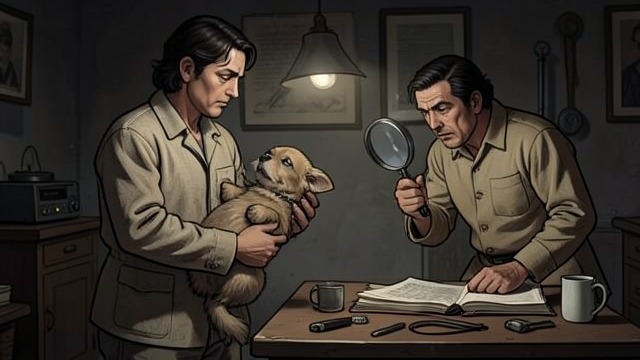
Third-Men artists and breeders debate whether living organisms may be made to suffer in the pursuit of a new form. Some understand pain as an intolerable harm; others interpret it as intense experience.
A dangerous justification
Religious ideas about life and fate can dignify creative work, but they can also excuse sadism. The conflict reveals how readily aesthetic language can conceal power.
Life as Art
The Vital-Art World
A planetary composition
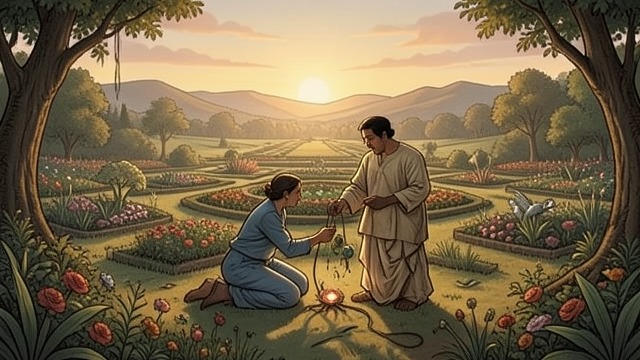
The species organizes its landscape as a system of gardens, habitats, and carefully shaped organisms. Biological knowledge enables artists to refine existing forms and create new ones.
A shared ideal
In its orthodox vision, humanity collaborates to make the planet’s living community more harmonious. Art is no longer only representation; it alters the conditions of life itself.
Monsters Against Harmony
The Appeal of the Discordant
Deliberate distortion
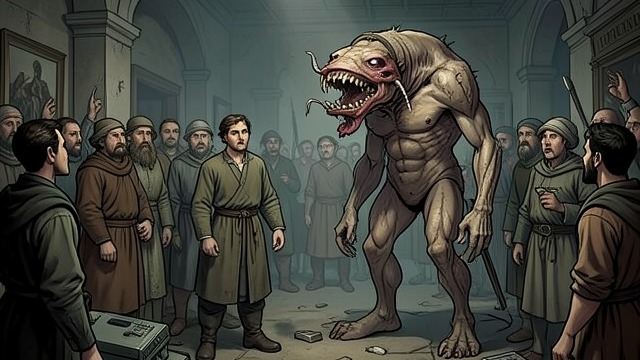
Some artists create organisms with incompatible traits, treating bodily conflict as a symbol of the tragedy of existence. Their work violates the ideal of harmonious biological function.
Art’s ethical boundary
Disputes over grotesque creations become political and sometimes violent. The novel asks whether artistic significance can justify the suffering of a living subject.
The Brain-Men’s Rejection
Knowledge Without Reverence
Life reduced to material
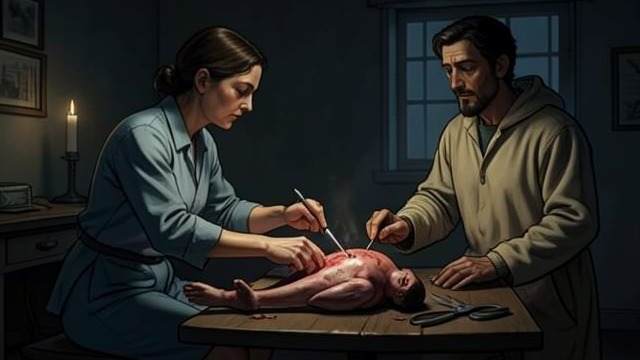
The Fourth Men treat organisms as experimental subjects and order the destruction of animals they consider useless. Their research has no direct experience of the values its subjects possess.
The consequence
The Third Men rebel to defend the living world and their own creative role. The conflict makes clear that intelligence without sympathy can become a form of systematic violence.
During the early Third-Men cultures
During recurring Third-Men religious conflicts
During the Third Men’s greatest biological civilization
During disputes over the vital-art canon
During the Fourth-Men revolt against the Third Men
